
How We Can Help People To Chase Their Dreams?
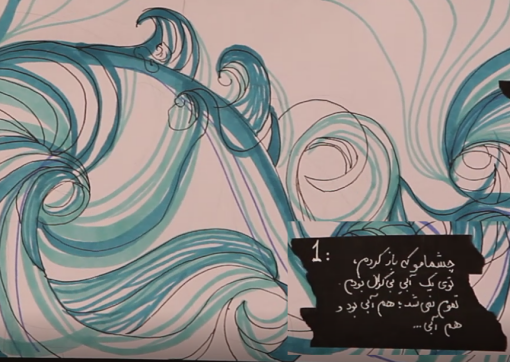
Student: Anita Golestaneh
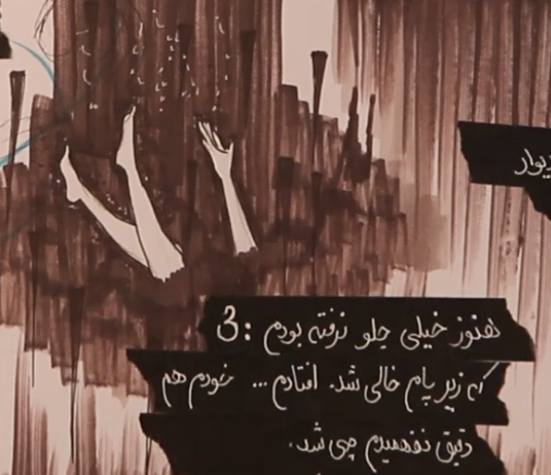
Student: Zahra Saleh
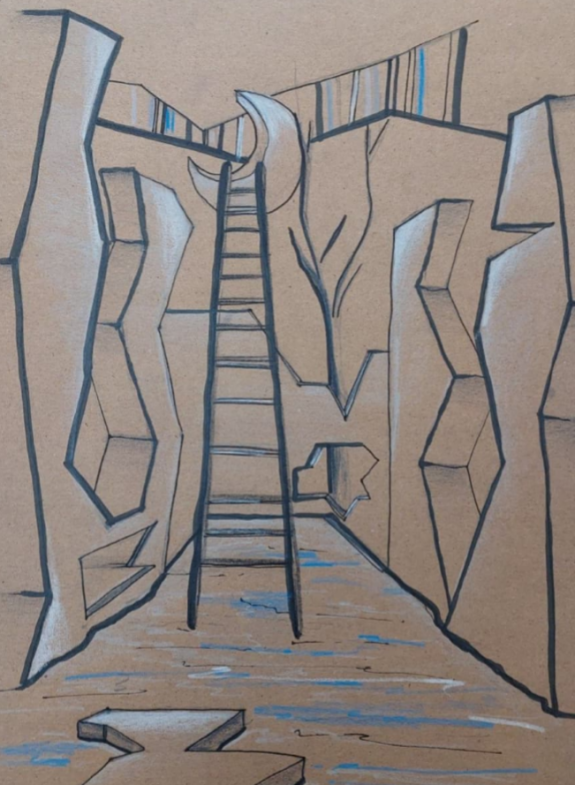
Student: Shila Bali
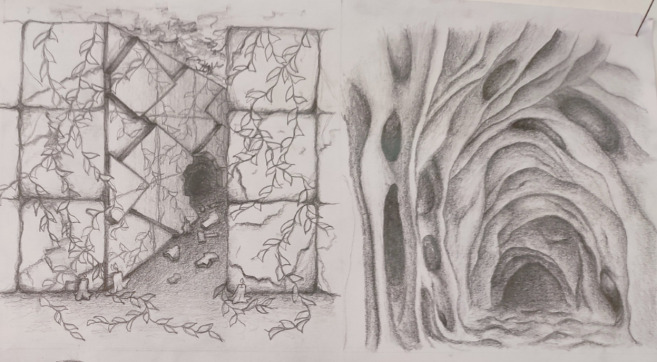
Student: Shila Bali
Student: Amir Bayat
Student: Sara Moghbeli
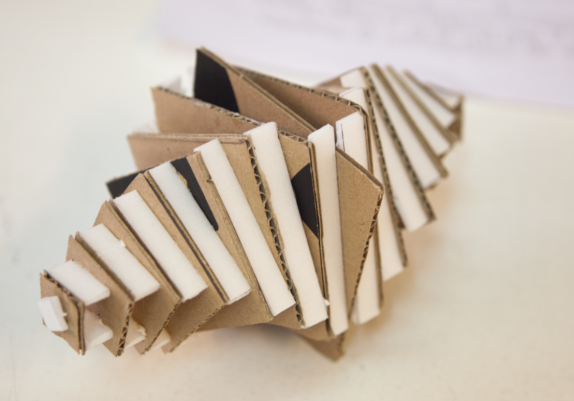
Student: Amirhosein Niazi
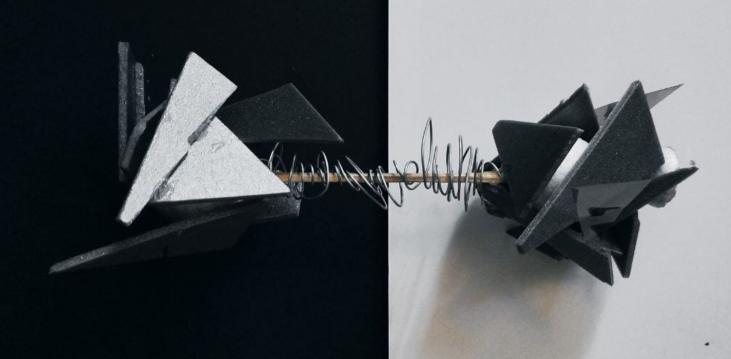
Student: Hana Jamshidi
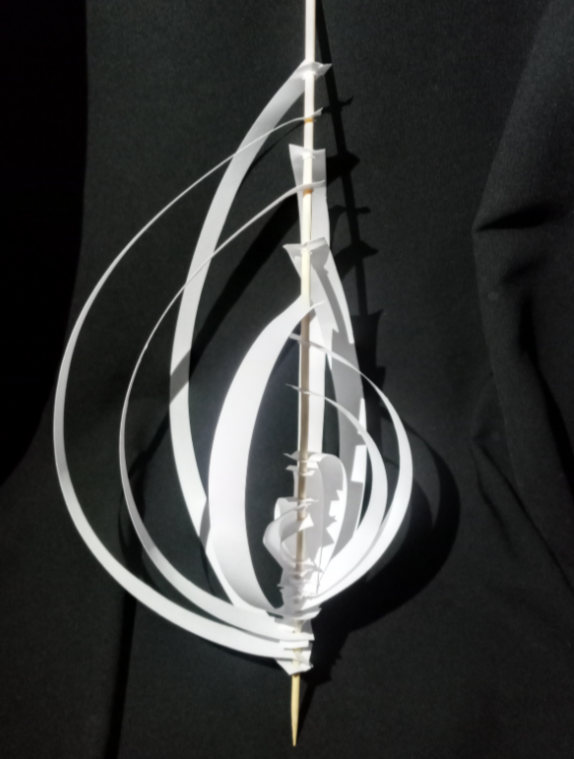
Student: Saba Sanaei
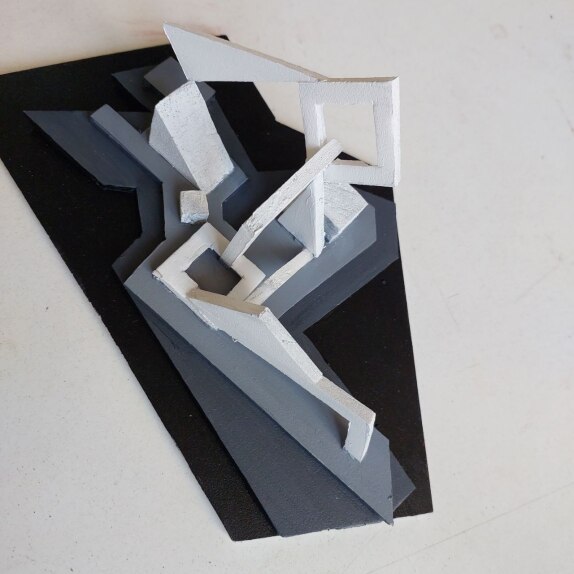
Student: Sara Sheikhlar
Student: Mohadese Saraei
Student: Reza Farhadi
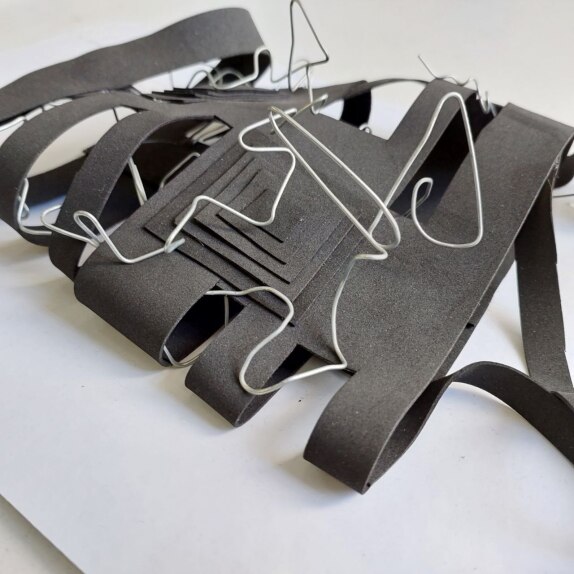
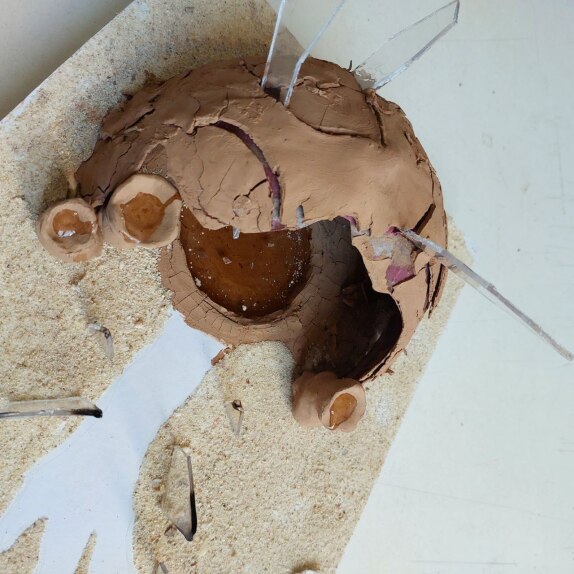
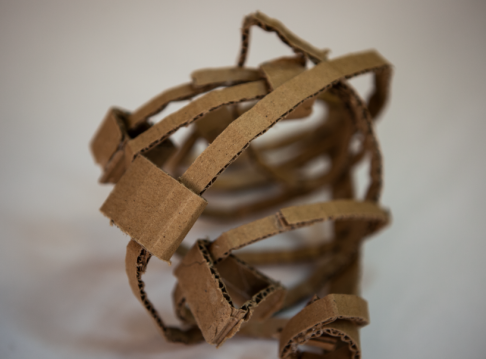
In this exercise, students began creating conceptual forms based on a concept of their own choosing. These forms needed to draw on clear formal and semantic concepts such as contrast, similarity, and so on. Through this exercise, students learned how to translate their mental concepts into the language of form and present them.
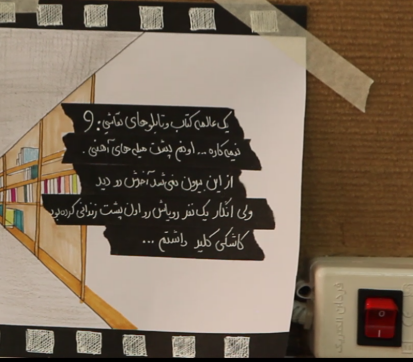
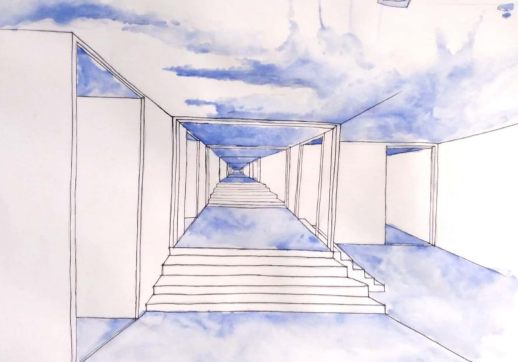
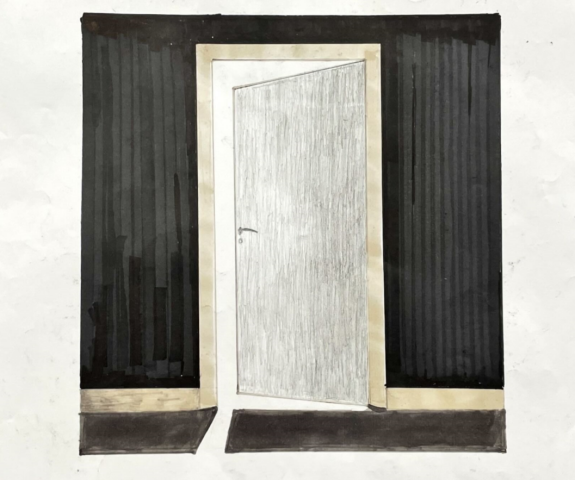
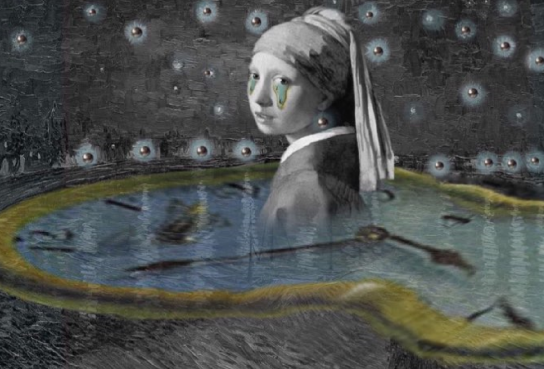
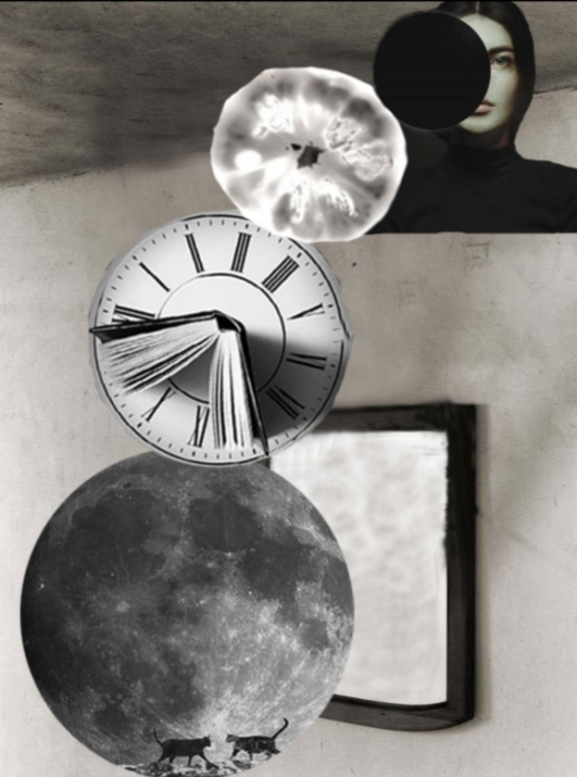
In this exercise, students put their imaginations to work by creating a story about entering a space behind a wardrobe in a room. They envisioned this space, then drew it and moved through its different parts. The exercise was designed around the importance of screenwriting in spatial design.
Student: Hasti Asadi
Student: Mohadese Afhami
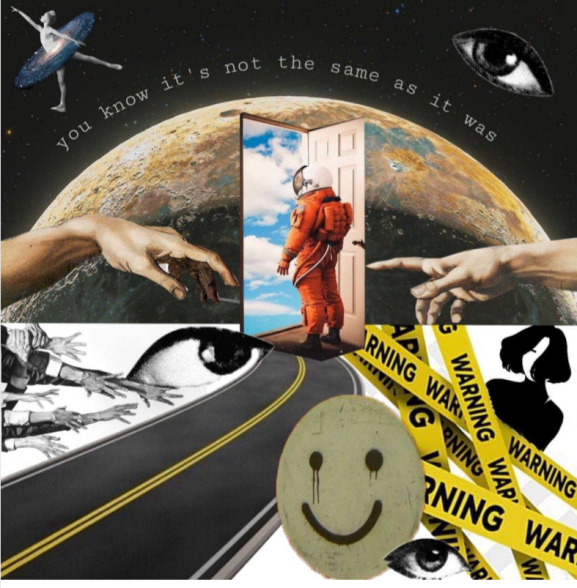
Student: Sara Sheikhlar
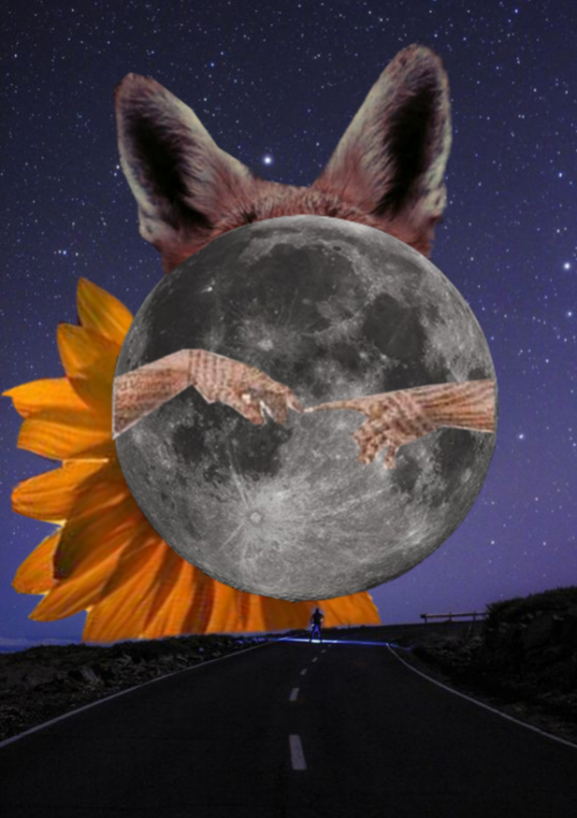
Student: fateme Khoshnoodi
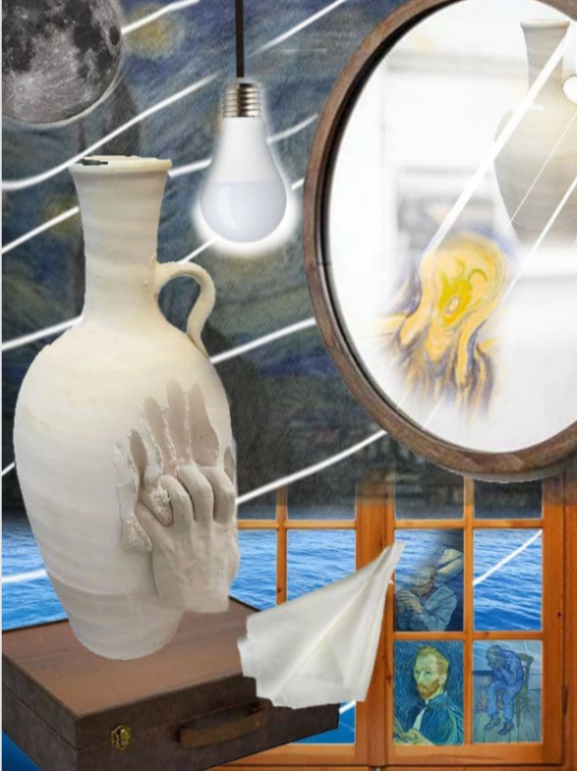
Student: Hananeh Sateh
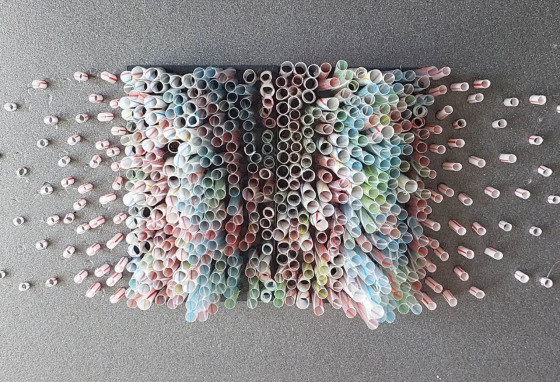
Student: Farnaz Rahnama
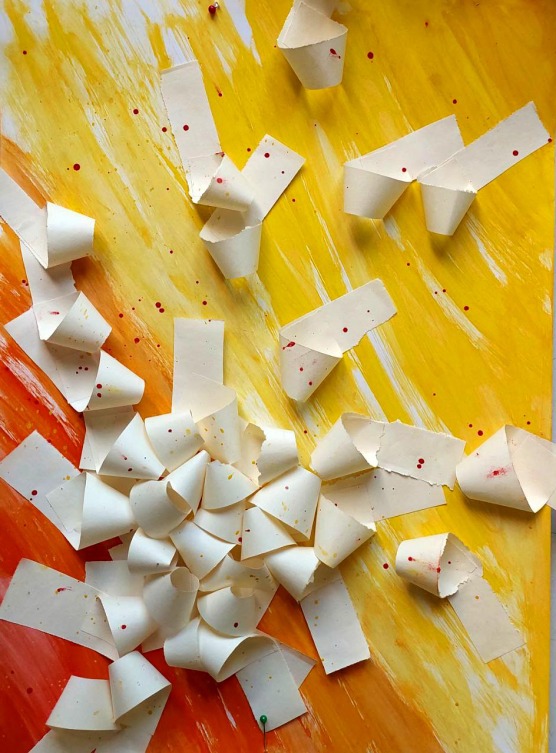
Student: Bahar Samadi
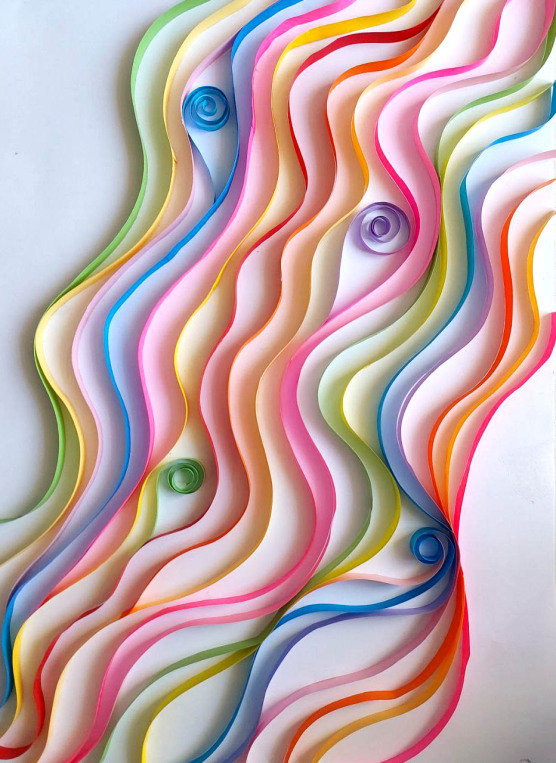
Student: Samaneh Farzin
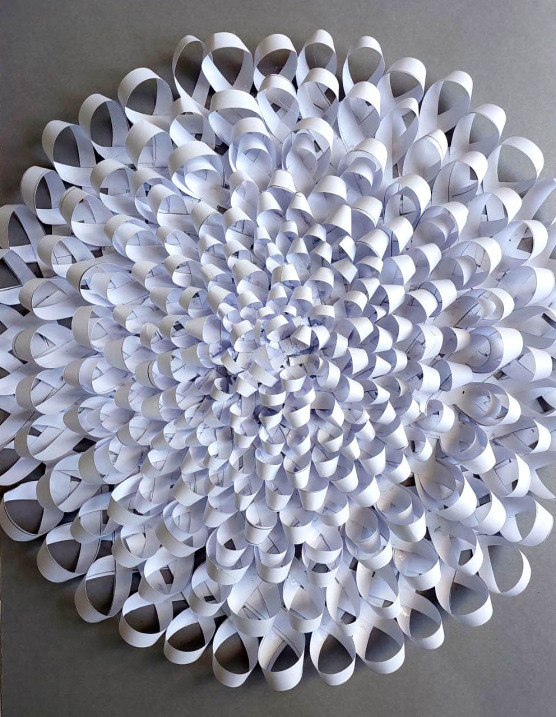
Student: Maryam Banihashemi
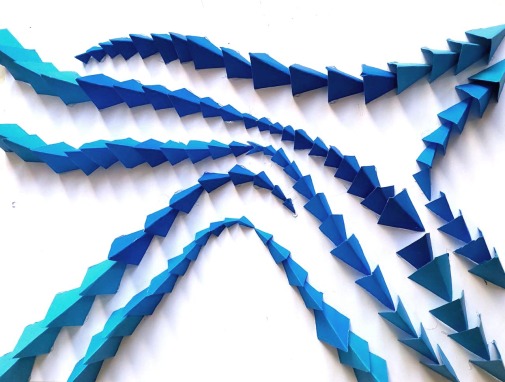
Student: Fatemeh Zarghami

Student: Reza Mahjub
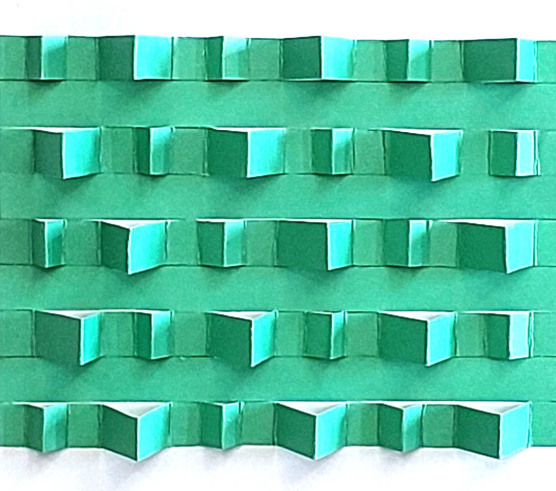
Student: Farnaz Joharifard
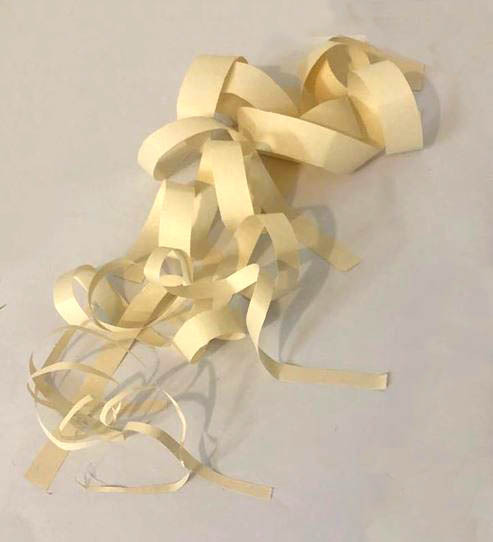
Student: Matin Ahmadi
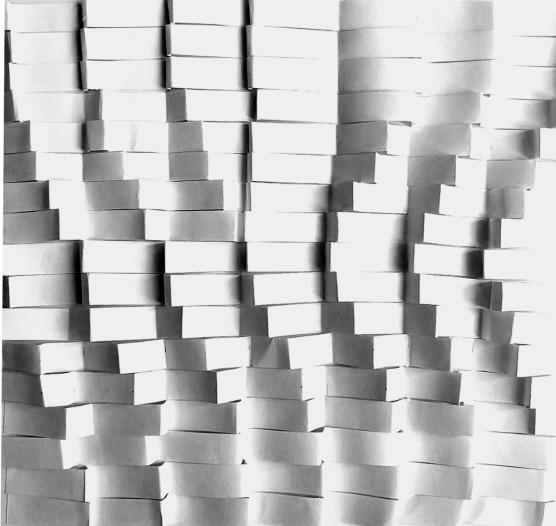
Student: Fatemeh Zarghami
In this exercise, students attempted to create two-dimensional and three-dimensional forms by applying compositional concepts derived from the study of Johannes Itten's theoretical foundations on form. These forms were not primarily intended to convey a mental idea at first, but later in the exercise, students tried to propose ideas for them as well.
In this exercise, students began arranging elements in Photoshop without any prior planning, in order to discover how new spaces can emerge from the juxtaposition of seemingly unrelated elements.
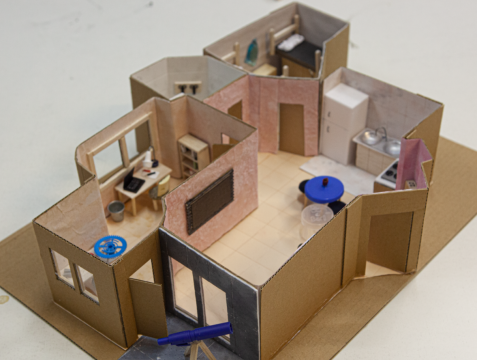
Student: Reihaneh Tabatabaei
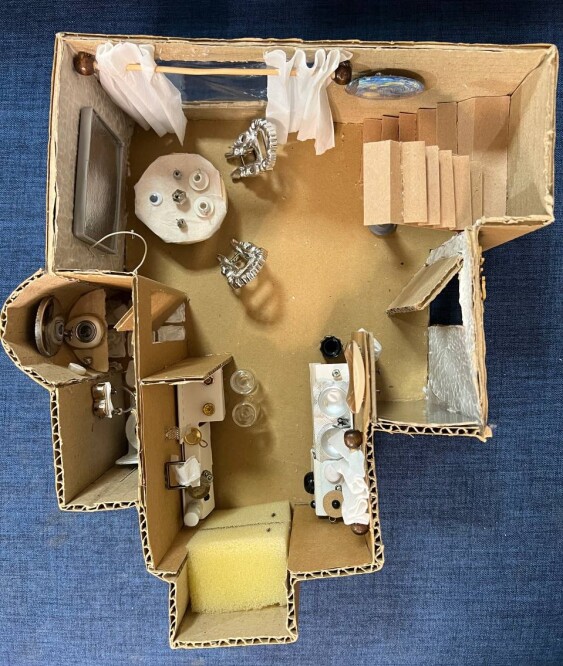
Student: Hanieh Moghanloo
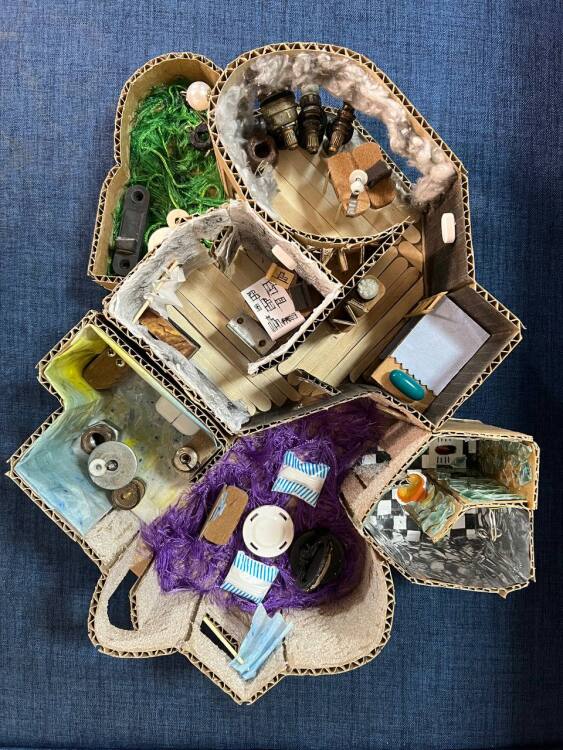
Student: Hanieh Moghanloo
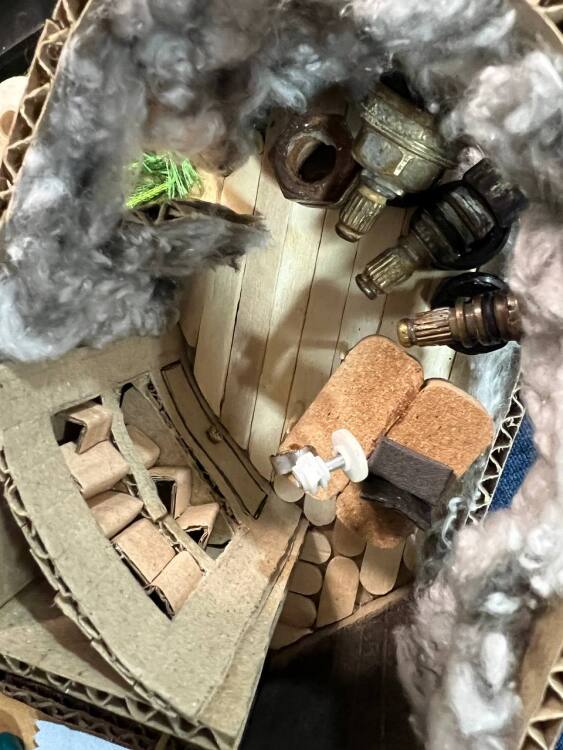
Student: Hanieh Moghanloo
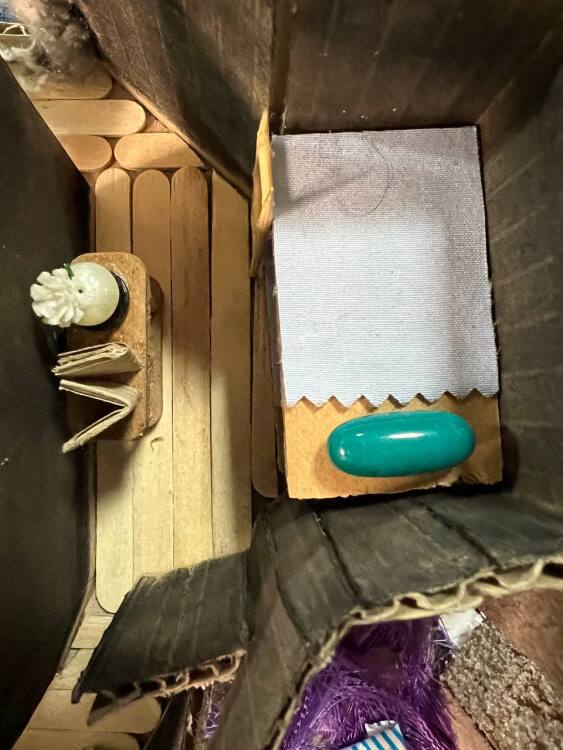
Student: Shila bali
Student: Shila bali
Student: Shila bali
Student: Shila bali
Student: Hasti Asadi
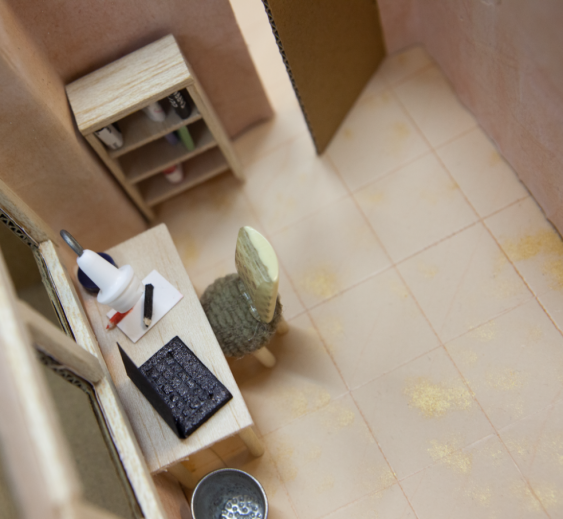
Student: Reihaneh Tabatabaei
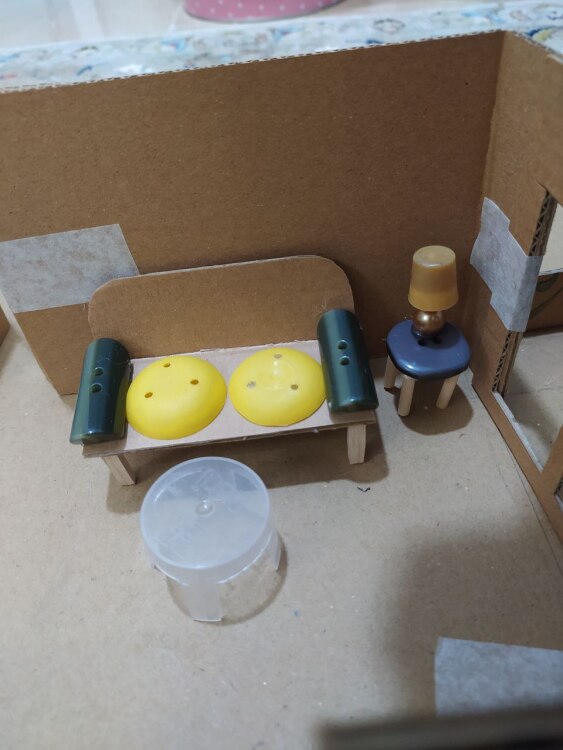
Student: Reihaneh Tabatabaei
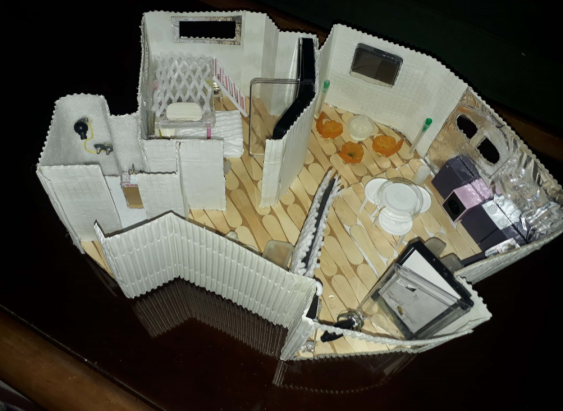
Student: Tanin Firuzi
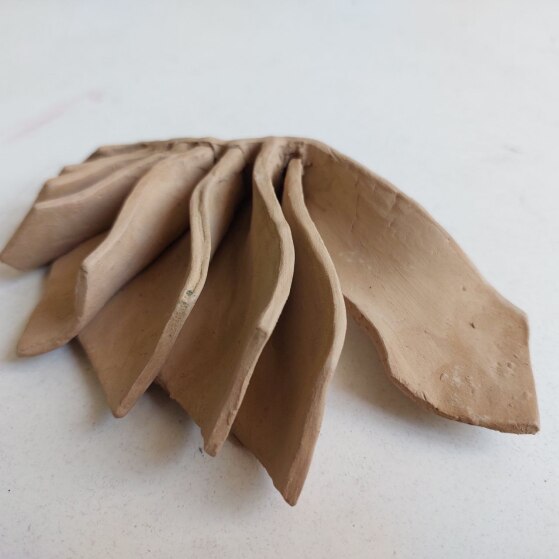
Student: Samaneh Bathaee
Student: Farahnaz Ghomi
Student: Fatemeh Zarghami
Student: Matin Ahmadi
Student: Matin Ahmadi
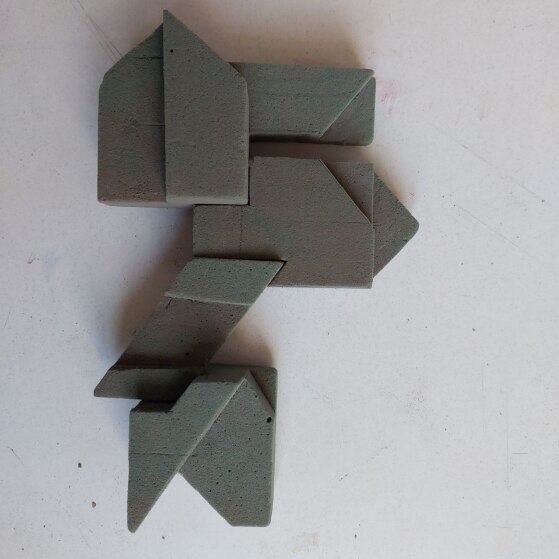
Student: Saeid Rezavand
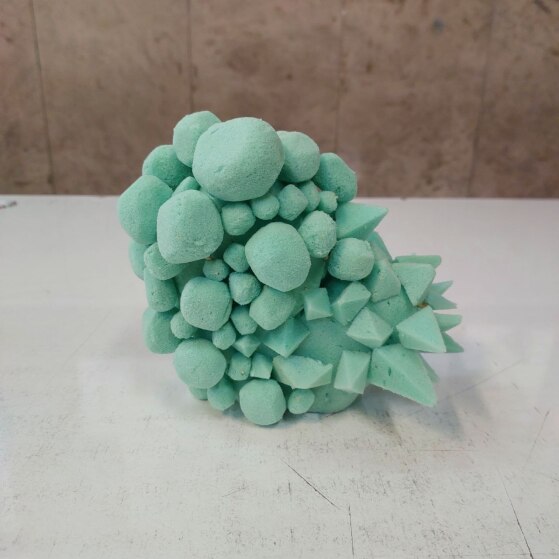
Student: Shila Bali
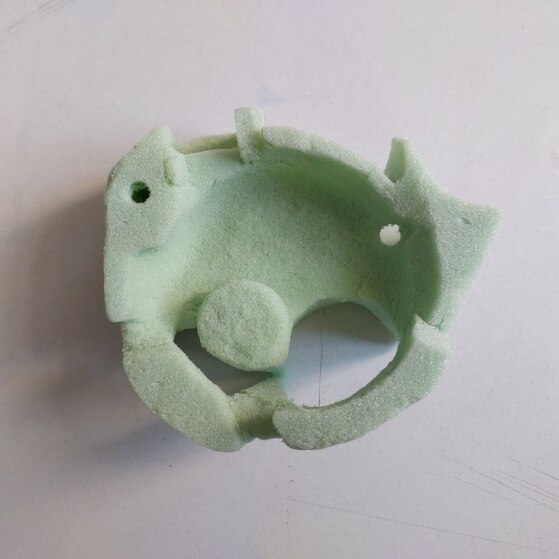
Student: Mohammad Abdeloo
Composition Exercise
Collage Making Exercise
Scenario Design Eexercise
Conseptual Thinking
Final Design: Optimal Housing
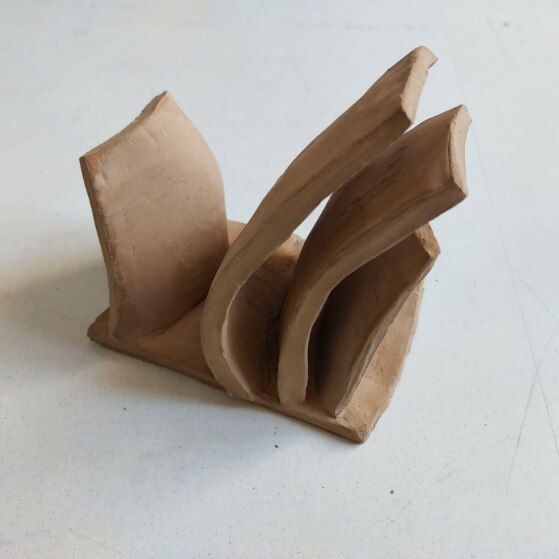
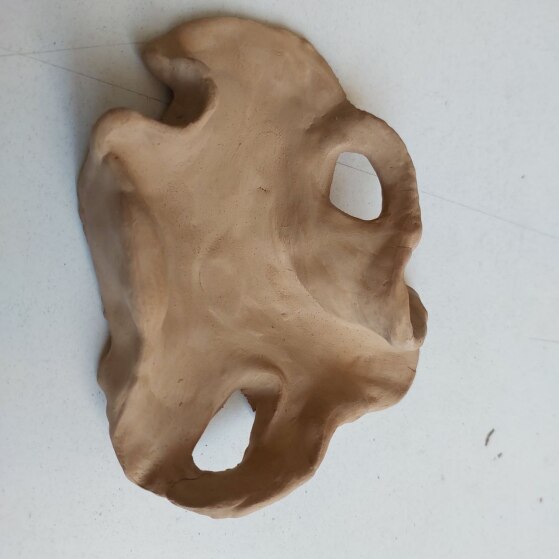
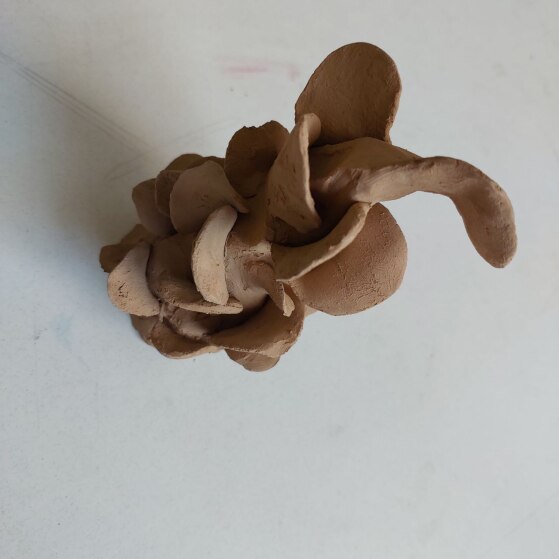
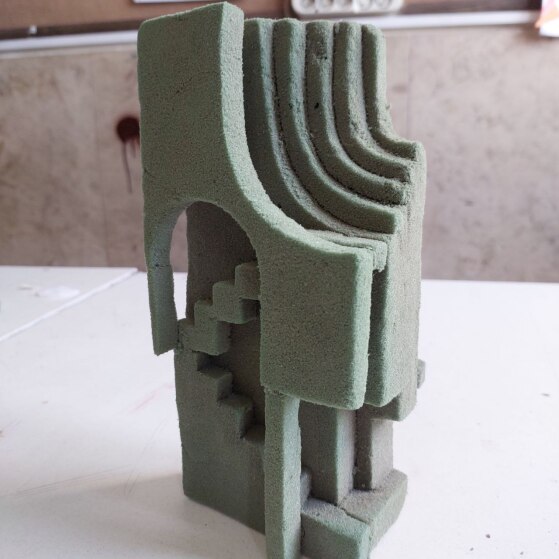
Form Finding with Clay and Sponge
In this exercise, students began creating innovative forms using clay and sponge. The aim of the exercise was for them to realize that the world of form-finding in architecture is not limited to straight lines and conventional angles. In this task, they drew inspiration from the forms of architects and artists such as Zaha Hadid, David Umemoto, and Rem Koolhaas.
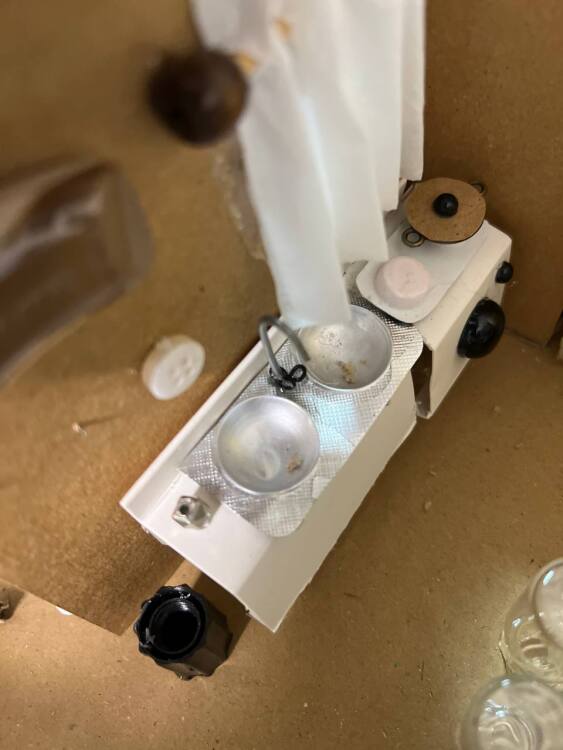
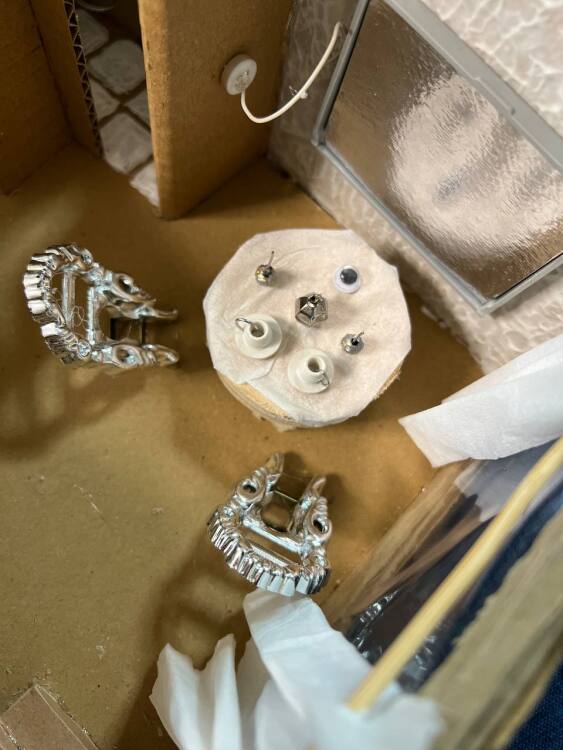
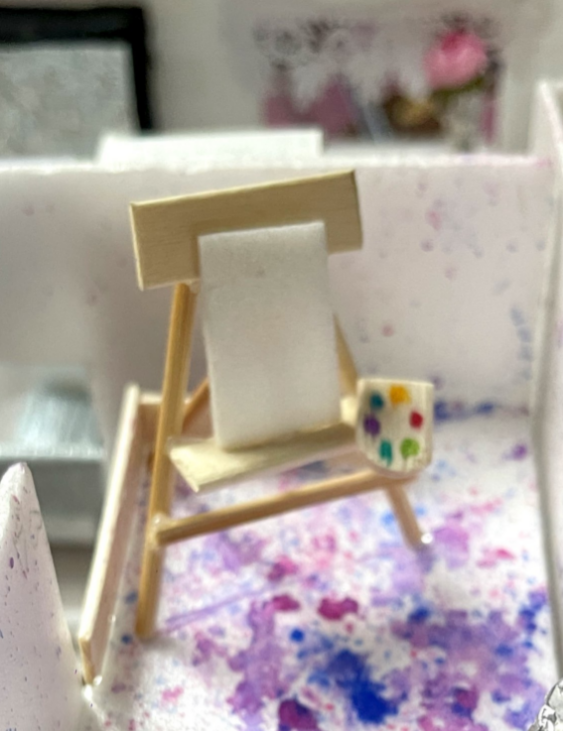
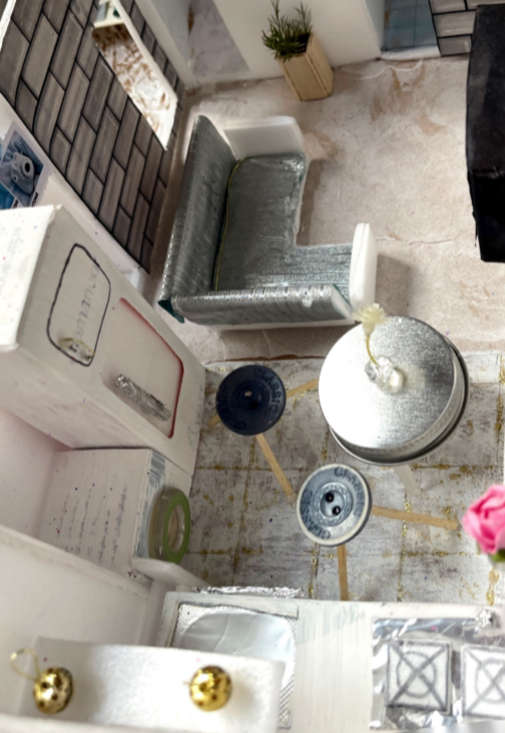
In the final exercise, students built the components of a house using discarded materials, and then, keeping these components in mind, began constructing a house optimized in terms of spatial dimensions. The key point was that, in designing this house, the formation of space started from the components — in effect, the house expanded from the inside outward.

+989025434143
Ahmad.mortazavi@ut.ac.ir
Tehran, Iran
The Art of Participation